
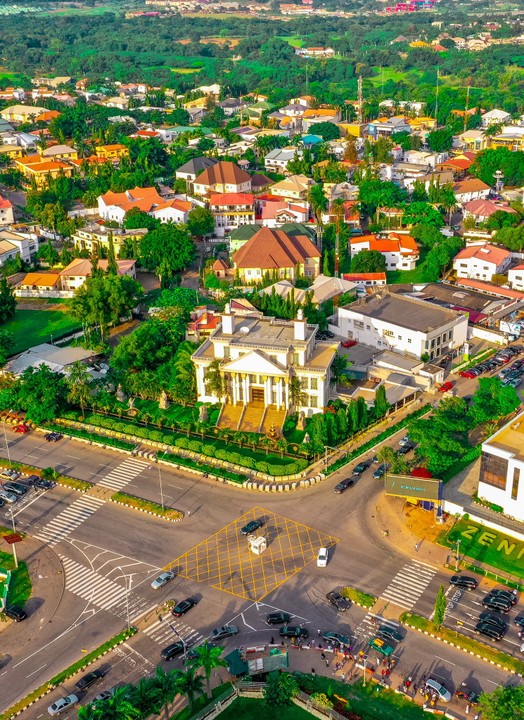
When people ask where to stay in Abuja, they usually expect a hotel name.
I would start with the neighbourhood.
Abuja is a planned city, and its districts are not interchangeable. Maitama, Wuse II, Asokoro, Garki, Jabi and Utako can all be reasonable places to stay, but they give you different kinds of trips. The Federal Capital Development Authority places Maitama, Wuse, Garki, Asokoro and the Central Area among the city’s earlier developed districts, while Jabi and Utako form part of later phases of development.
If you choose only by hotel photos, you can easily book a beautiful room and then realise every restaurant you saved is thirty minutes away when traffic is bad.
Open the map first.
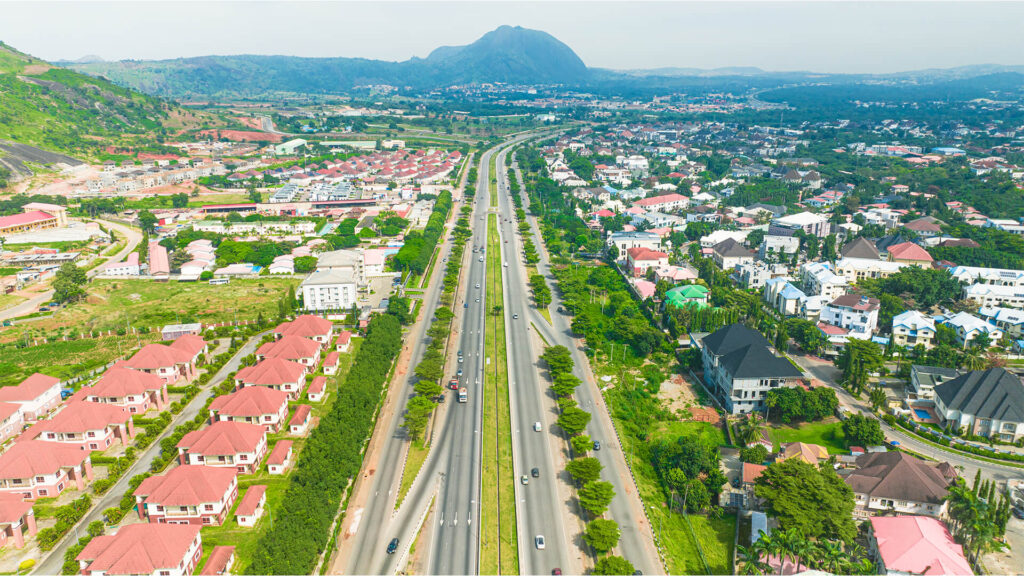
For most first time leisure visitors, Wuse II is the easiest answer.
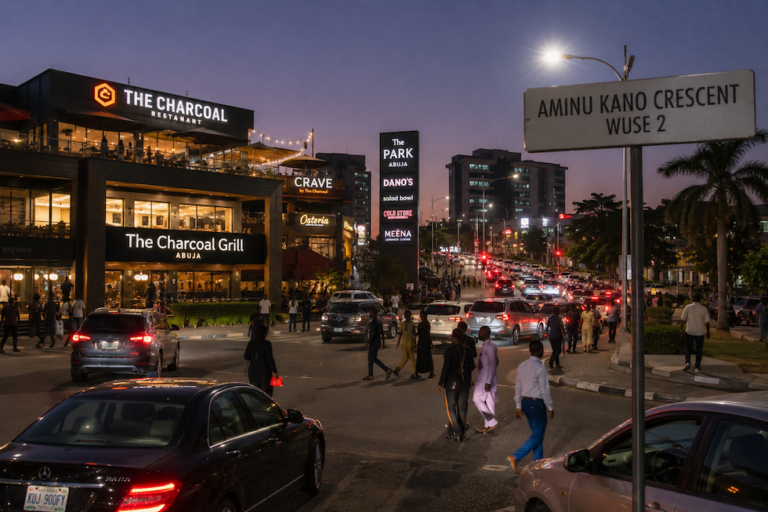
It is one of the places where Abuja feels most like a proper urban neighbourhood rather than a collection of compounds and offices. Restaurants, cafés, bars, shops and nightlife are concentrated throughout the district, especially around streets such as Aminu Kano Crescent and Adetokunbo Ademola Crescent.
If you like being able to leave your hotel at 7pm and have too many dinner options rather than too few, stay here.
Wuse II is also useful because it is relatively well positioned for moving towards Maitama, the Central Area, Jabi and other popular parts of town. The downside is obvious. Some streets are busy, nightlife can run late and weekends can be noisy.
If your ideal holiday is complete silence after 9pm, perhaps no.
Maitama is Abuja when it is speaking quietly.
The roads feel greener, many properties sit behind walls and there is a mix of embassies, residences, hotels and restaurants. You are still close enough to Wuse II and the Central Area that you do not feel isolated, but the atmosphere is calmer.
This is usually where I point somebody who wants an upscale stay without being in the middle of nightlife.
Maitama also works well for first time international visitors who want something polished and straightforward. You can spend the day moving around the city and return somewhere that feels removed from the busiest evening streets.
The trade off is price.
Nobody has ever accused Maitama of being shy about money.
Asokoro has a similar reputation for being quieter and more residential, with diplomatic and government activity nearby. It is a good base if your visit includes official business, meetings or appointments in that part of town, and it has some excellent restaurants and galleries of its own. Retro Africa, for example, is based in Asokoro.
For nightlife focused visitors, however, Asokoro can feel removed. You will probably drive to most of your evening plans and drive back afterwards.
Some people love that.
They go out, enjoy themselves and return to peace.
Other people want to step outside and immediately see human beings.
Know yourself.
Jabi is the neighbourhood I would choose for somebody who wants their holiday to feel a little more relaxed.
The lake changes everything. Jabi Lake Mall sits on the waterfront and combines shopping, restaurants and a lakeside boardwalk, while the wider Jabi area has restaurants, hotels and serviced apartments.
Families often find Jabi practical because you can build an easy day without crossing the whole city. Shop, eat, go to the cinema, spend time by the water and head back to the hotel.
Couples like it too.
There is something about water that suddenly makes everybody start taking pictures of their drink.
Nearby Utako is less glamorous to describe but very useful in real life.
It has a large supply of apartments and hotels and gives you good access towards Jabi and Wuse. Longer stay visitors often appreciate Utako because you can find more practical accommodation options without giving up central access entirely.
It is also a better fit if you want a serviced apartment rather than a traditional hotel. If you are staying two weeks, the ability to make tea in something larger than a hotel kettle starts to matter.
Garki gives you another version of Abuja.
It is one of the city’s original districts and feels more functional and lived in. There are offices, markets, restaurants, hotels, churches, mosques and everyday businesses rather than a neighbourhood built mostly around visitors.
For business travellers it can be extremely convenient, depending on where meetings are located. For tourists, it gives you easy access to the Central Area and a more ordinary view of daily Abuja.
If you enjoy walking out of a hotel and seeing a city actually doing normal city things, you may prefer Garki to some of the quieter high end areas.
The Central Area, or Central Business District, makes sense mainly when location to institutions and offices matters. Some of Abuja’s major national buildings and landmarks are around this part of the city, and there are high end hotels nearby.
But do not confuse “central” with “everything happens here.”
Abuja does not really work like that.
A lot of the restaurants and nightlife you will want are elsewhere, so leisure travellers often find Wuse II or Maitama more convenient even if the map makes the CBD look perfect.
Then there is Guzape, which has grown considerably and attracts people looking for newer apartments, restaurants and hillside views. It can feel more residential than Wuse II, and parts of the district give you some very attractive views across Abuja. I would consider it for a longer stay or if you already know the city, rather than automatically putting a first timer there.
If you want the simple version, here it is.
Stay in Wuse II if you want restaurants and nightlife close by.
Stay in Maitama if you want quiet, central and upscale.
Stay in Asokoro for privacy, diplomatic access and a calmer atmosphere.
Stay in Jabi for the lake, shopping and a relaxed leisure stay.
Stay in Garki for practicality.
Stay in Utako if a serviced apartment or longer stay matters.
Then look at the actual hotel.
One final Abuja lesson. Distance on a map is not the same thing as journey time. Traffic builds around working hours, school runs, major events and popular nightlife streets. A hotel five kilometres closer to where you spend most of your time can make a surprising difference over several days.
Do not save ₦10,000 on a room and spend the whole holiday inside a Bolt saying, “Are we there yet?”
Location first.
Hotel second.
Your future self will understand.