Updated October 2026. Prices and opening hours in Abuja change often, so check before you go.
Finding something fun to do as a couple in Abuja can feel harder than it should. You end up at the same restaurant, ordering the same thing, scrolling through your phones while you wait for the food. It does not have to be like that.
Abuja has lovely open spaces, hills, galleries, rooftops, bowling lanes and cinemas, and many of the best dates here cost very little. Below are 15 date ideas, grouped by budget, so you can pick one that fits both your mood and your wallet. We have included the prices we found in October 2026, but prices in Abuja change quickly, so always confirm before you go.
Date ideas at a glance
| Date idea | Rough cost for two | Area |
|---|---|---|
| Sunset picnic at Millennium Park | Free, plus food | Maitama |
| Walk and boat ride at Jabi Lake | Free, or from ₦5,000 for a boat ride | Jabi |
| Sunrise hike up the Twin Peaks | Free | Wuye |
| Nike Art Gallery visit | Free | Airport Road |
| Night stop at the City Gate | Free | Airport Road |
| Bowling | About ₦9,000 to ₦15,000 | Wuse 2 or Central Business District |
| Cinema or private cinema | From about ₦4,000 to ₦40,000 | Jabi, Central Business District, Wuse 2 |
| Paint and sip | About ₦30,000 to ₦70,000 | Mostly Wuse 2 |
| Arts and Crafts Village gift swap | Your budget | Wuse |
| Lakeside dinner | Varies | Jabi |
| Rooftop dinner | About ₦40,000 and up | Jabi, Wuse 2, Jahi, Wuse Zone 5 |
| Spa date | About ₦40,000 to ₦120,000 | Various |
| Live music | From about ₦10,000 | Various |
| Comedy show | Varies by show | Various |
| Hot air balloon ride | Not yet on sale | To be confirmed |
Free or almost free dates
1. A sunset picnic at Millennium Park
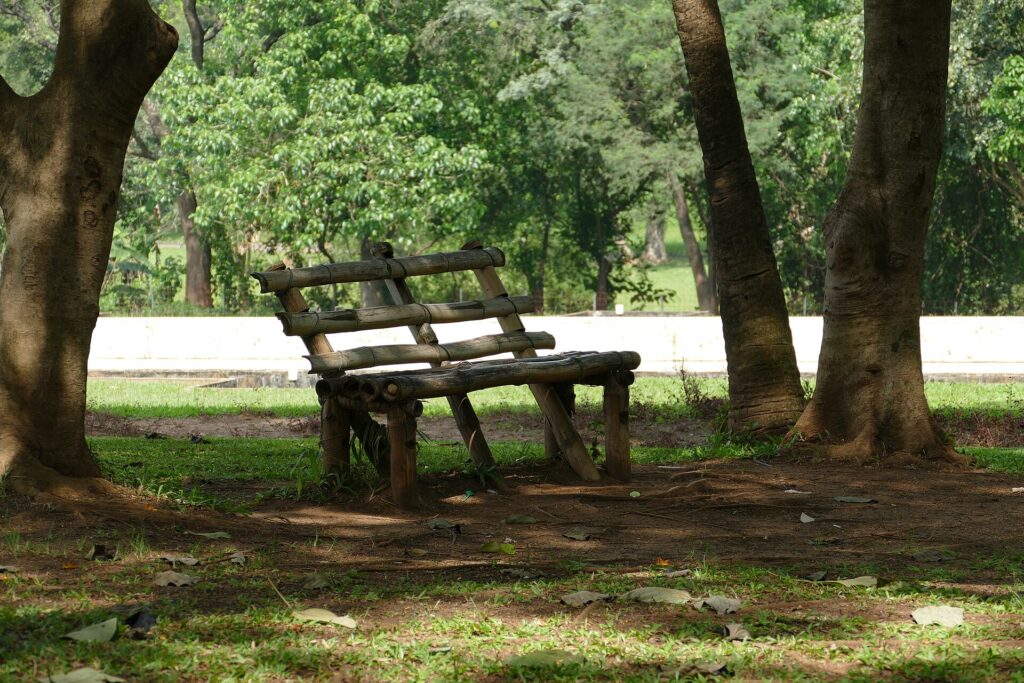
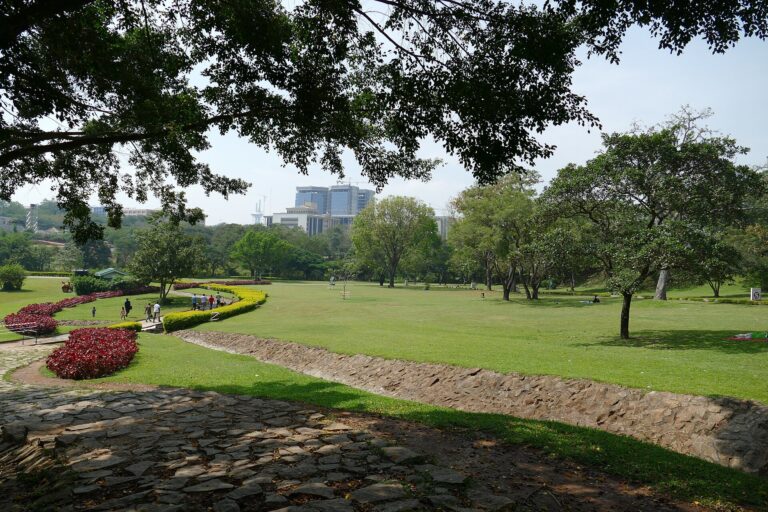
This is the classic Abuja date, and for good reason. Millennium Park in Maitama is the city’s biggest park, with fountains, long pools, big trees and plenty of grass. Entry is free.
Make it special by preparing the picnic together. Pick up some suya, fruit, small chops or drinks on the way, bring a mat or blanket, and arrive about two hours before sunset. Choose a shaded spot, put your phones away for a while, and just talk. If you want to go further, bring a card game or write each other a short note to read at the park.
2. An evening walk and boat ride at Jabi Lake
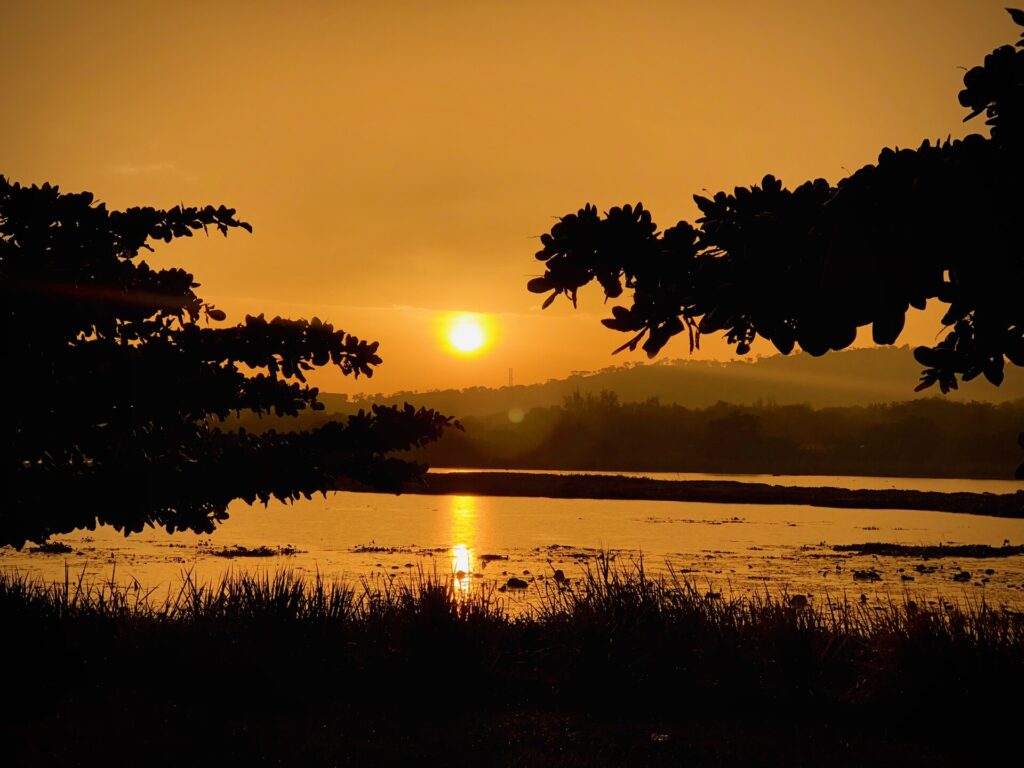
Walking along Jabi Lake is free and very peaceful in the evening. The sunset over the water is beautiful, and there are lots of nice spots for photos.
If you want to add something, boat rides usually start from around ₦5,000 per session. Agree on the price before you get in. After the ride, you can walk over to Jabi Lake Mall for ice cream or a simple dinner.
3. A sunrise hike up the Twin Peaks
For couples who like adventure, try climbing the Wonderland Twin Peaks in Wuye. The climb takes about 20 to 30 minutes, and the view over the city at the top is worth it. It is free.
Go early, around 6:30 am, before the sun gets strong. Wear good shoes, carry water and take your time. Afterwards, reward yourselves with a big breakfast somewhere nice. Doing something a little challenging together is a great way to feel closer, and you will both have stories to tell.
4. A gallery date at Nike Art Gallery
The Nike Art Gallery on Airport Road is full of colourful paintings, sculptures, beadwork and fabrics. Entry is free.
Turn it into a game. Each person picks the one piece they would hang in your future home and explains why. You will learn a lot about each other’s taste. Staff may offer a tour, and a small tip is a nice way to say thank you.
5. A night drive to the City Gate
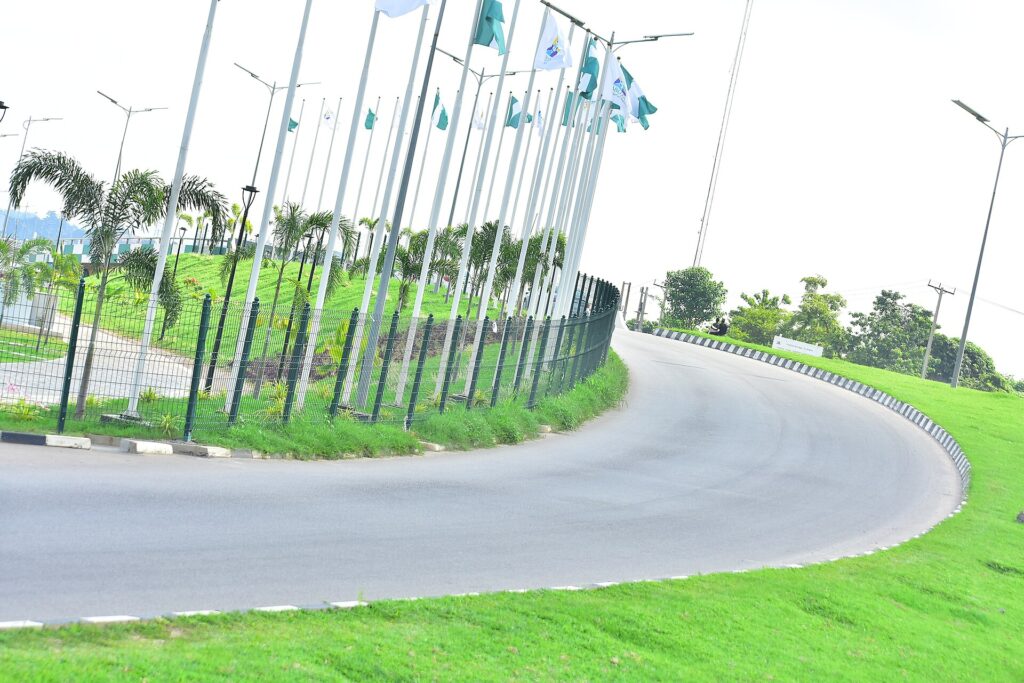
The remodelled Abuja City Gate opened in July 2026, with a new fountain, bright lights and a proper car park. At night, the fountain and lights make it a great place for a short stop, a few photos and a quiet conversation. It is free to visit, and it is an easy add-on after dinner if you are heading towards the airport road.
Mid-range dates
6. Bowling at Trukadero
Bowling is perfect for couples who like a bit of friendly competition, and you do not need to be good at it. Most first-timers are terrible, which is half the fun.
Trukadero by CityBowl is at 131B Ademola Adetokunbo Crescent in Wuse 2. As well as bowling lanes, it has arcade games, air hockey, a restaurant and a bar, so you can easily make a whole evening of it. Recent listings put bowling at about ₦4,500 to ₦6,000 per person per game. It opens at 11 am every day and stays open late.
Another option is The Dome on Adekunle Fajuyi Street in the Central Business District. It has been listed at about ₦6,450 per person on weekdays and ₦7,550 on weekends.
Make a small bet before you start. The loser plans the next date, or pays for dessert. Weekday evenings are usually quieter, so you will not have to wait long for a lane.
7. A movie night
A cinema date is simple, but it works. Silverbird has cinemas at Jabi Lake Mall and at its entertainment centre in the Central Business District, while Genesis Cinemas is at Ceddi Plaza. Tickets usually range from about ₦2,000 to ₦10,000 depending on the cinema and whether you choose standard, 3D or VIP seats. Weekday screenings are often cheaper and less crowded.
If you want more privacy, try a private cinema, where you book a whole room just for the two of you. You pick the film, recline on a sofa, and nobody shushes you when you laugh too loudly. These are some of the best-known options:
- Deja Vu Private Cinema has branches at 11 Pietersburg Road in Wuse 2 and 28 Gambo Sawaba Street in Gwarinpa. Earlier listings showed packages from about ₦15,000 per room if you bring your own food, rising to about ₦40,000 with pizza and a bottle of wine. Advance booking is required.
- Infinity Private Cinema at The Pasha in Maitama has been listed at about ₦25,000 per session, for up to six guests.
Always book ahead, confirm the price and ask what is included before you go.
8. Paint and sip
At a paint and sip session, you get a canvas, paint, drinks and an instructor who guides you step by step. You do not need to be good at art. In fact, the funnier your painting looks, the better the date usually is.
Sessions in Abuja usually cost between ₦15,000 and ₦35,000 per person. Many studios have sessions in Wuse 2 and nearby areas, and some run special couples’ nights. Book ahead, especially on weekends.
9. A gift challenge at the Arts and Crafts Village
Here is a fun idea that costs only what you decide to spend. Go to the Arts and Crafts Village in Wuse together, set a budget (₦5,000 each is a good start), split up for 30 minutes and buy each other a small gift. Then meet up and swap.
The village has around 140 shops selling carvings, beads, fabrics, paintings and leather goods. Bargaining is normal, so part of the fun is seeing who got the better deal. It usually closes around 6 pm, so go in the afternoon.
10. A lakeside dinner in Jabi
Jabi has several restaurants with views of the lake, and eating by the water feels more special than a normal dinner. Aldo’s Restaurant has a rooftop on the top floor overlooking the lake, with an international menu of pasta, pizza, burgers and more. It is a relaxed choice for a date that does not need to be too formal.
Splurge dates
11. Rooftop dinner with a view
Rooftop restaurants are the go-to choice for a special evening in Abuja. Expect to spend about ₦20,000 or more per person once you add drinks. A few popular options:
- Aura Abuja at Lake Square Plaza in Jabi has views over the area and opens from 4:30 pm every day. It is chic and quieter than many rooftops, which makes it good for conversation.
- Checkpoint Restaurant and Lounge in Wuse 2 is livelier, with local and continental food and DJs on many nights. It is open until late.
- Duna Dura, on the fifth floor of Casa Bellismo Mall in Jahi, has a lively terrace and sometimes live music.
- The Vue at Novare Mall in Wuse Zone 5 has a more polished, modern feel.
Book a table for sunset, and ask for a seat near the edge. Some rooftops, such as Zaya and Ryan’s in Wuse 2, have a dress code, so dress up a little.
12. A spa day for two
A couples’ massage or spa session is a great way to relax together, especially after a busy week. Many spas and hotel spas in Abuja offer couples’ packages, where you are treated side by side in the same room. Some also have private jacuzzi rooms.
Prices vary a lot. A full spa package often costs between ₦20,000 and ₦60,000 per person, and pedicures start from around ₦8,000. Before you book, ask these questions:
- Is the price per person or per couple?
- Is there a couples’ room, or will you be in separate rooms?
- How long is each treatment, and are drinks or snacks included?
- Is there a weekend or holiday surcharge?
Book a weekday afternoon if you can. It is usually quieter, and some places offer better deals outside the weekend rush.
13. A live music night
Nothing beats live music for a romantic mood. If your timing is right, the Abuja International Afrojazz Festival runs from 16 to 21 November 2026, with the main concert on 21 November. Early bird tickets have been listed from around ₦5,000 to ₦10,000, with VIP and table options costing much more. The venue was still being confirmed in early October, so check before you buy.
Throughout the year, many lounges and hotels host jazz nights and live bands. Our events calendar and This Weekend in Abuja page are the best places to find what is on.
14. A comedy show
Laughing together is one of the best ways to bond, and a comedy show takes the pressure off making conversation all night. Abuja has a busy comedy scene, from small stand-up nights in lounges to big productions in hotel halls.
Two shows coming up on our calendar:
- Comedy & Lifestyle 2026: The 4th Realm on 31 October 2026 at the Congress Hall, Transcorp Hilton Abuja.
- Shades of Senior Man, a stand-up comedy night, on 15 November 2026 at 3Js Hotel.
Buy tickets early, because the big shows often sell out. Arrive in good time too, because the best seats go first and some comedians love picking on latecomers in the front row.
15. Coming soon: a hot air balloon ride
If you want a truly unforgettable date (or the perfect setting for a proposal), keep an eye on hot air balloon rides in Abuja. A local operator test-flew a balloon in October 2026, but bookings were not open yet when we last checked. Read what we know so far and how to avoid fake sellers.
Tips for a great date in Abuja
- Book ahead on Fridays and Saturdays. Popular rooftops and paint and sip sessions fill up, especially near paydays and holidays.
- Plan around traffic. Evening traffic in Wuse, Jabi and along the expressways can be heavy. Choose places close to each other, or close to where one of you lives.
- Check prices and opening hours. Menus, prices and hours change often in Abuja. A quick message to the venue on Instagram or WhatsApp saves surprises.
- Think about the ride home. Use a trusted ride-hailing app at night, and share your trip with a friend.
- December is different. Prices go up and everywhere is busier during Detty December. If you are planning a date for the holidays, read our guide to December in Abuja first.
Frequently asked questions
What is a cheap date idea in Abuja?
A sunset picnic at Millennium Park or a walk along Jabi Lake costs nothing except food and transport. A sunrise hike up the Wonderland Twin Peaks or a visit to the Nike Art Gallery is also free.
How much does a date night in Abuja cost?
It depends on the plan. A picnic or lake walk can cost under ₦10,000 for two, including snacks. Bowling or a cinema night is usually about ₦10,000 to ₦40,000 for two. A rooftop dinner with drinks is often ₦40,000 or more.
Where can couples go at night in Abuja?
Rooftop restaurants in Jabi, Wuse 2 and Jahi, bowling at Trukadero, private cinemas, comedy shows and live music nights are all good evening choices. The remodelled City Gate is also a nice short stop after dark.
Do I need to book ahead?
For rooftops, private cinemas, paint and sip sessions and spas, yes, especially on Fridays and Saturdays. Parks, the lake and galleries do not need booking.
The bottom line
The best dates are not always the most expensive ones. A picnic, a sunrise hike or a silly paint and sip session can be more memorable than a fancy dinner. Mix it up, try something new together, and save the rooftop splurge for the nights that really matter.
Looking for more ideas? Our list of free things to do in Abuja has plenty of other cheap outings you can turn into a date.
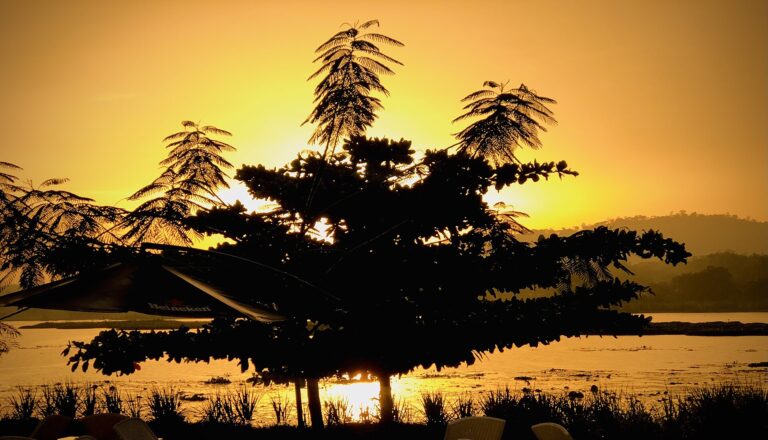
Cover photo: sunset at Jabi Lake, Abuja. Photo: Amedu Vivian, CC BY-SA 4.0, via Wikimedia Commons