
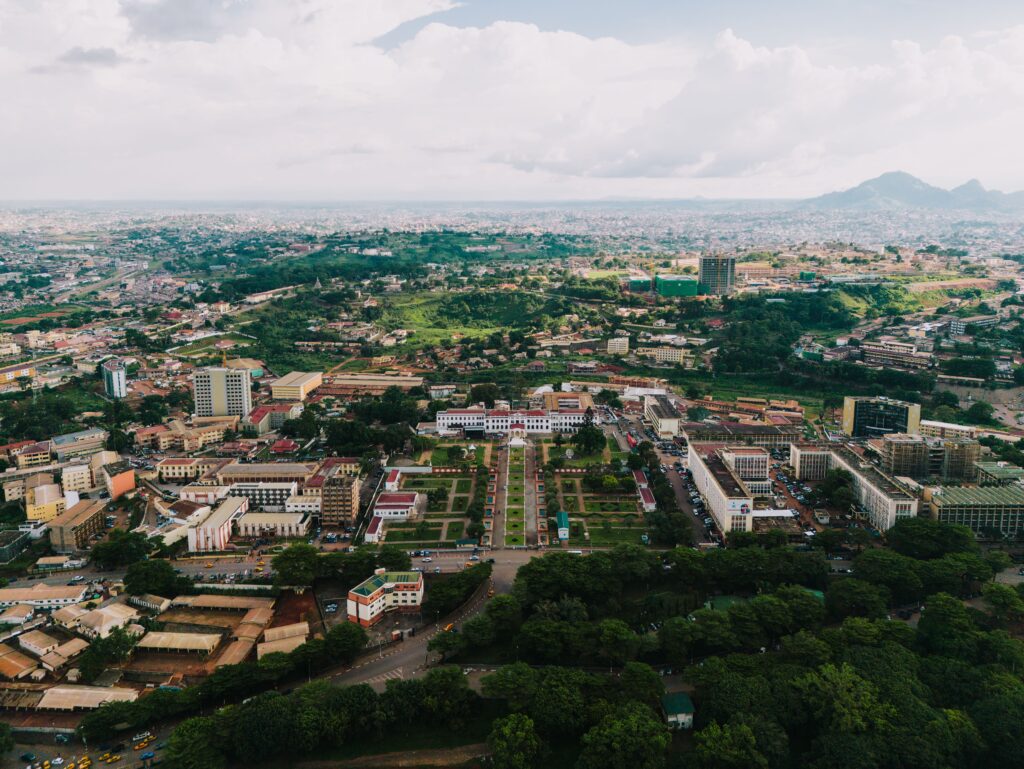
Abuja does not rush to introduce itself to you. That is probably the first thing you notice when you arrive. The drive from Nnamdi Azikiwe International Airport is long enough for you to settle into your seat, look through the window and start wondering where everybody is. There are stretches of open road, hills in the distance, pockets of development and a surprising amount of greenery for a capital city. Then, as you get closer to town, the roads widen, the buildings become more deliberate and the different districts begin to appear. Abuja was planned in phases, and areas such as Garki, Wuse, Maitama, Asokoro and the Central Area form part of the city’s earliest developed districts.
If you arrive on a Friday afternoon or evening, do not start your holiday by fighting traffic in the name of sightseeing. Check into your hotel, have a shower and eat somewhere reasonably close. In Abuja, dinner is often the beginning of the evening rather than the end of it, especially around Wuse II and Maitama. A restaurant that looks calm at 7pm can be completely different by 9pm, with birthday groups arriving, bottles appearing on tables and somebody suddenly deciding everybody should go somewhere else after dinner. If you have just flown in from London, New York, Toronto or wherever, there is no shame in eating and going back to bed. Abuja will still be there in the morning.
Saturday morning is when I would properly start exploring. Have breakfast somewhere around Wuse II or Maitama and give yourself time. Abuja has become very good at brunch and café culture, but for a first morning I would resist the temptation to spend three hours taking pictures of pancakes. There is plenty ahead. Start with art. Thought Pyramid Art Centre in Wuse II is one of the city’s established contemporary art spaces and focuses on modern and contemporary African art. Retro Africa in Asokoro is another strong stop, with exhibitions centred on contemporary African artists and a more intimate gallery setting. Both are the kind of places that make a visitor realise very quickly that Abuja’s cultural scene is much broader than government buildings and conference halls.
From there, move towards the Central Area and Maitama. Millennium Park is worth including, not because you need to spend half the day there, but because it shows you something important about Abuja. The city likes space. The park is Abuja’s largest public park and sits in Maitama, close to the administrative core of the city. There are lawns, walking areas, trees and enough room to sit down without somebody trying to sell you something every five minutes. On a clear morning or late afternoon it is an easy place to slow down, take photographs and just watch how residents use the city.
By lunchtime, forget any plan you made to “quickly eat.” Nigerian restaurant timing and holiday timing are not always close friends. Pick somewhere from the Eat and Drink guide and sit down properly. This is where Abuja starts becoming enjoyable because the food scene gives you many versions of the city at once. One table is eating Nigerian food, another is having sushi, somebody is ordering Turkish grills and another group came only for cocktails and somehow has turned lunch into an event. If you want something more local, go for grilled fish, rice dishes, soups or suya rather than eating only the same international food you could order at home.
After lunch, I would head to the Abuja Arts and Crafts Village in the Central Area if you want souvenirs. It was created as a place for displaying and selling arts and crafts, and you will find carvings, paintings, jewellery, leatherwork, fabrics and other handmade items. This is one place where you should not be shy about looking around before buying. Ask the price, compare, talk to the seller and bargain reasonably. You are not trying to reduce somebody’s ₦30,000 work to ₦2,000 because somebody told you “everything in Africa is negotiable.” Please behave yourself.
Towards late afternoon, go to Jabi. This is one of the easiest places to end a sightseeing day because you can do as much or as little as you want. Jabi Lake Mall sits directly beside the water and has shops, restaurants and a lakeside boardwalk. Around the wider lake area you will also find boat rides and other leisure activities depending on the operator and the day. Sunset is when Jabi makes the most sense. Sit outside, walk around, take a boat ride if one is available or simply find somewhere to have a drink and watch the light change over the water. Jabi gives Abuja a softer side that many business visitors never see because they spend their entire trip moving between a hotel and an office.
Then there is Saturday night.
This is where I would tell a first timer not to overplan. Abuja nightlife changes quickly, so the place that everybody is talking about this month may not be the same place six months from now. What remains consistent is the geography. Wuse II has one of the biggest concentrations of restaurants, bars and clubs, while Maitama and other parts of the city have more lounges, rooftops and quieter evening spots. Start with dinner or drinks somewhere you actually like, then decide whether you still have energy for a club. If you do, go. If you do not, nobody will arrest you.
You should also try at least one ordinary Abuja bar or outdoor joint during your stay. Not everything needs chandeliers and somebody bringing sparklers to a table. There are places where the evening is simply cold beer, grilled fish, suya, football on a screen and people arguing about Arsenal as if the manager personally asked for their advice. That is also Abuja.

Sunday morning is slower. If Saturday night went according to plan, you may not see breakfast. This is why brunch exists.
Afterwards, choose one final experience rather than trying to finish the whole city before your flight. If you want something outdoors, go for a hike with a local group or guide around one of the popular hills. If you want something easy, return to a gallery, visit a market or catch a film. Wuse Market is a proper working market rather than a tourist attraction dressed up to look local. You can find fabrics, clothes, food, household items and almost everything in between. It is busy, so keep your belongings close and wear shoes you do not mind walking in.
If you want something quieter, spend the afternoon around Jabi, Maitama or one of the city’s cafés and let yourself do nothing for a while. This is the part many visitors get wrong. Abuja does not reward you for rushing through twenty places. The city is better when you allow time between things. You will spend longer than expected over lunch. Your driver will know a place you did not plan to visit. Somebody you meet on Saturday may invite you somewhere on Sunday. That is normal.
By the time your first 48 hours are over, you probably will not feel like you have “completed” Abuja, and that is the point. You will understand the districts a little better, have a favourite restaurant, know roughly where Jabi is and discover that every direction in Abuja eventually includes a roundabout, a junction or a landmark somebody assumes you already know.
That is enough for the first weekend.
Move small small. Abuja will show you the rest next time.