
Updated October 2026. Prices and opening hours in Abuja change often, so check before you go.
People like to say Abuja is an expensive city, and they are partly right. A night out in Wuse 2 can wipe out your budget fast. But there is another side to the city that many visitors never see: wide green parks, hills you can climb in half an hour, beautiful buildings, art galleries and events that cost nothing to enter.
This list is for anyone who wants to enjoy Abuja without spending much: students, new residents, visitors on a tight budget, or people who just want a quiet weekend outside. Most of these are completely free. A few are “almost free”, which means entry costs nothing but you may pay for a drink, a snack or a small activity once you are there.
One honest note before we start: getting around is usually the biggest cost. Abuja is spread out and public transport is limited, so most people use Bolt, Uber or a taxi. Try to group places that are close to each other, and you will save more than you think.
Parks, lakes and open spaces
1. Spend a slow afternoon at Millennium Park
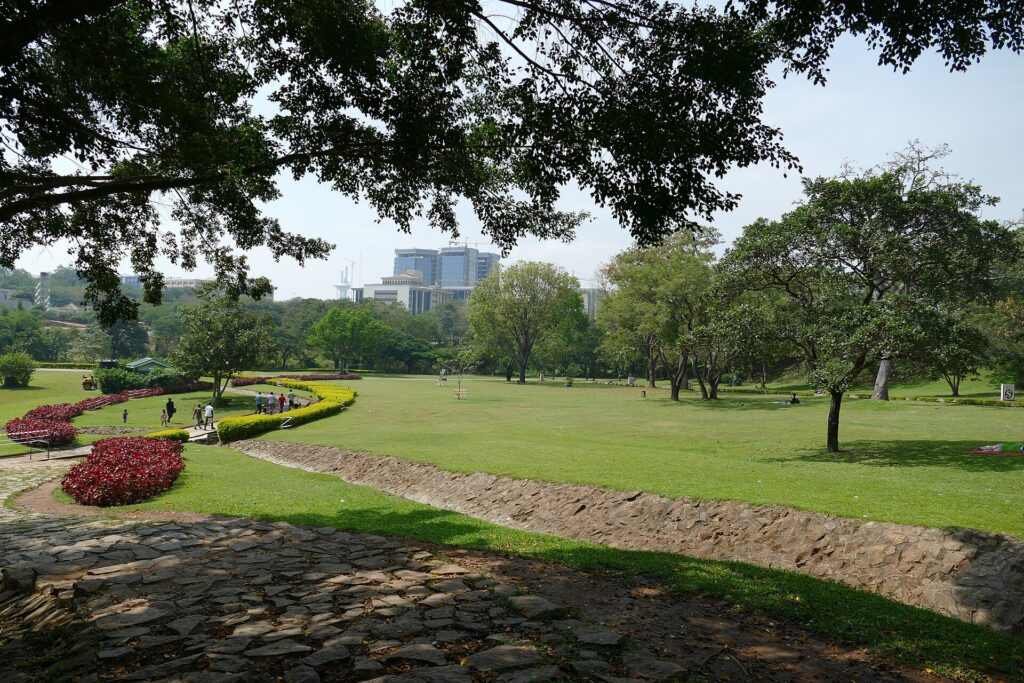
Millennium Park in Maitama is the biggest public park in Abuja, covering about 32 hectares. It was designed by the Italian architect Manfredi Nicoletti and opened by Queen Elizabeth II in December 2003, so it has a bit of history too.
The park has two very different sides. One side is a formal garden with fountains, long pools and a clean white walkway. The other side feels wilder, with trees, grass and shaded areas where families spread out mats on weekends. A small river runs through the middle.
There is no entrance fee, and the park is open in the daytime, roughly from 8 am to 6 pm. It is a good place for a picnic, a long walk, a quiet read or simply sitting in the shade. Bring your own food and water, plus a mat or blanket, because there are not many places to buy things inside. Go in the late afternoon if you can. The light is softer, the heat is lower and the park is at its prettiest.
If you are planning a professional photoshoot with lights and a crew, ask at the gate first, as rules for paid shoots can be different from normal visits.
2. Walk along Jabi Lake
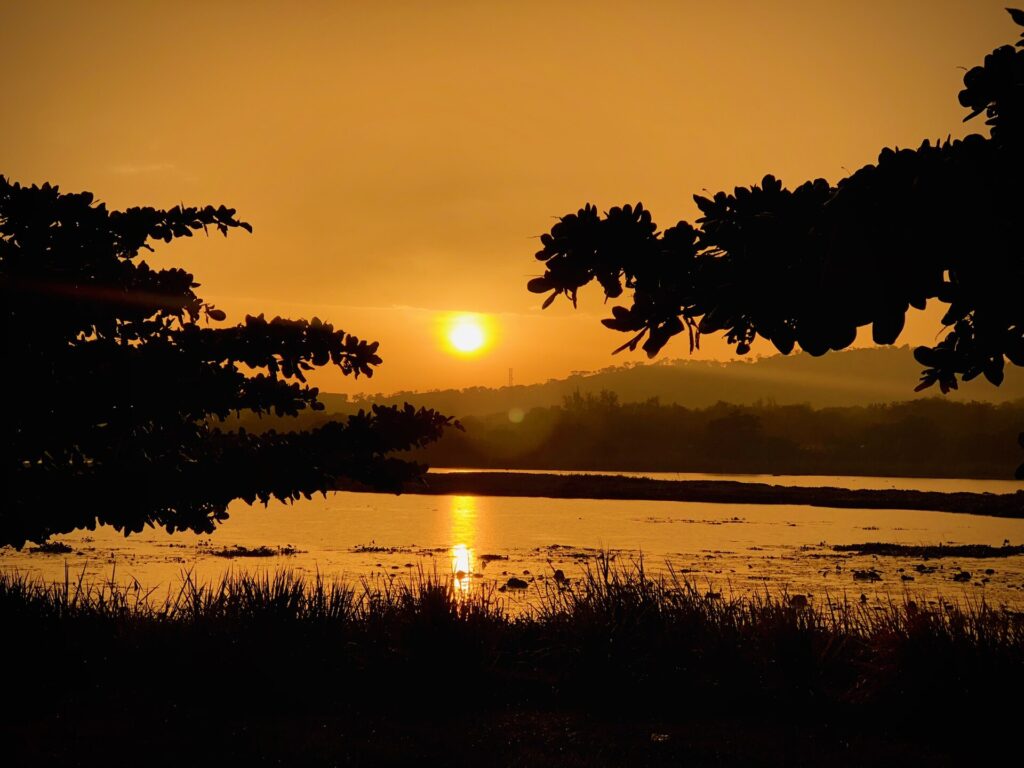
Jabi Lake is one of the most relaxing places in the city. Walking along the waterfront is free, and in the evening you will see joggers, couples, friends taking photos and families with children. The sunset over the water is one of the best free views in Abuja.
If you want to spend a little, there are activities around the lake. Boat rides usually start from about ₦5,000 per session, and horse rides cost more, around ₦10,000. Prices change and are often negotiable, so always agree on the price before you start.
Jabi Lake Mall sits right next to the water, which makes this an easy outing. You can walk the lake, use the clean toilets in the mall, and buy a cheap drink if you need one.
3. See the new Abuja City Gate at night
The City Gate on the airport road was built in 1991 to mark the move of Nigeria’s capital from Lagos to Abuja. For years it looked tired and forgotten. That changed in July 2026, when the remodelled gate was officially opened.
The new design includes a large fountain with 37 water jets, one for each of the 36 states and one for the FCT. There is also new lighting, a car park with space for about 60 cars, and toilets. It is free to visit, and it looks best after dark when the lights and fountain are on.
It is a great first stop if you are arriving from the airport, or a nice place to end an evening drive.
Hills with a view
4. Climb the Wonderland Twin Peaks
If you want a small adventure, the Twin Peaks in the Wuye area are a great choice. They are two hills that sit around the Magicland amusement park, and you can usually park near the Wuye Mechanic Village and start from there.
The climb takes about 20 to 30 minutes for most people. The rocks act like natural steps, so it is not too hard if you have good shoes. At the top, you get a wide view over the city and it is often windy, which feels great after the climb.
Go early in the morning or late in the afternoon, when the sun is not too strong. Bring water, wear proper shoes (not slippers) and go with at least one other person. Be extra careful after rain, because the rocks can get slippery. Parts of the hill are used as farmland, so stay on the footpaths.
5. Find the “centre of Nigeria” on Katampe Hill
Katampe Hill, in the north of the city, is known as the geographical centre of Nigeria. That claim alone makes it a fun trip. How many people can say they have stood in the middle of the country?
Do not expect a big monument. The spot is marked simply, and visitors often say it takes a little searching to find. The real reward is the view. From the top, you can see across Abuja to Jabi Lake, towards Bwari and all the way to Aso Rock. On a clear day, it is one of the best views of the city.
The hill also has a radio transmission mast near the top, which helps you spot it from a distance. Most people get a taxi or ride to the base, often coming from the Dutse Alhaji side, and walk up from there. The climb is longer and more tiring than the Twin Peaks, so give yourself time, take breaks and carry plenty of water.
Go in the early morning or late afternoon, when it is cooler and the light is better for photos. Go with a friend or a group, wear proper shoes and plan to be back down well before dark. Some people bring a small picnic to enjoy at the top.
Culture without the price tag
6. Visit the Abuja National Mosque
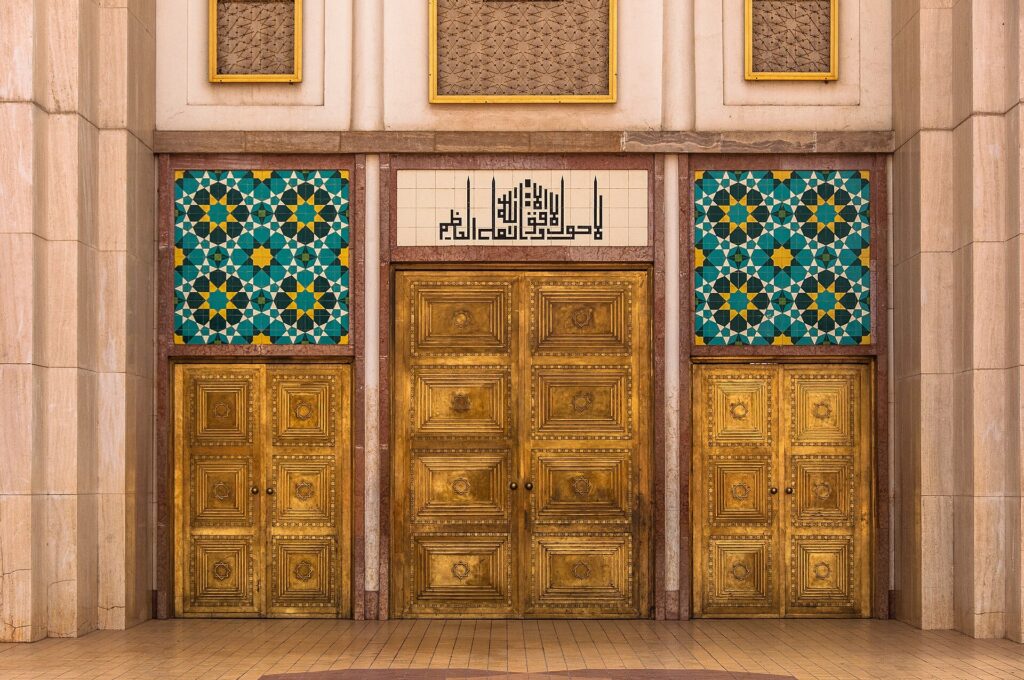
The National Mosque, with its golden dome and four tall minarets, is one of the most recognisable buildings in the country. The mosque says that everyone is welcome to visit, and there is no fee, though donations are accepted.
Please visit respectfully. Adults should wear modest clothes that cover the arms and legs. Women may cover their hair if they wish. You will take off your shoes in marked areas, and you should not eat, drink or smoke except where it is allowed. Avoid prayer times, especially the Friday midday prayer, when the mosque is very busy. Tour groups need to register in advance, but individual visitors do not.
7. Admire the National Christian Centre
A short drive away in the Central Area is the National Christian Centre, sometimes called the National Church of Nigeria. Its tall, pointed arches are very different from the mosque’s dome, and seeing both on the same day tells you a lot about how Abuja was planned as a capital for everyone.
The building has an interesting story. Work started around 1989, then stopped for many years. It was finally finished and dedicated on 2 October 2005, the day after Nigeria’s 45th Independence Day. The church is non-denominational, which means it belongs to no single church group.
Inside, it is even more impressive. Stained glass windows in yellow, green and red surround the hall, there is a large pipe organ near the choir, and the central altar is designed to turn slowly, making a full turn every ten minutes. When there is no service going on, the centre is open to the public, and guided tours are available. Dress modestly, keep your voice low and ask before taking photos inside.
8. Explore the Nike Art Gallery
The Nike Art Gallery on Airport Road (in the Piwoyi area) is run by the well-known artist Nike Okundaye, who also runs famous galleries in Lagos and Osogbo. The Abuja space opened in its expanded form in 2023 and has rooms full of paintings, sculptures, beadwork and textiles, including a textile museum.
Entry is free. Staff may offer to show you around, and some visitors leave a small tip or donation. You are not under pressure to buy anything, but if you do fall in love with a piece, prices are often negotiable.
9. Browse other galleries
Abuja’s art scene goes well beyond Nike. Thought Pyramid Art Centre in Wuse 2, founded by the collector and curator Jeff Ajueshi, is one of the best known. It shows paintings, sculpture and photography by Nigerian and African artists, and it is listed as open Monday to Saturday, from 9 am to 7 pm.
Galleries like this are usually free to walk into, and nobody expects you to buy. The best time to go is an exhibition opening night. These are often free, a little social, and a good chance to meet artists and other art lovers. Follow galleries on Instagram to find out when new shows open.
10. Walk through the Arts and Crafts Village
The Arts and Crafts Village in Wuse reopened in October 2023 after a fire in 2017 damaged it. It has around 140 shops selling carvings, paintings, fabrics, beads, leather goods and more. Prices range from a few hundred naira to millions for serious art pieces.
Walking around and looking costs nothing. If you want to buy, bargaining is normal, so start lower than the first price and stay friendly. It usually closes around 6 pm, so go in the daytime.
Ride the Abuja Metro
11. Take the train for the views
The Abuja light rail is one of the most unusual ways to see the city. The trains link the city centre and Kubwa with Nnamdi Azikiwe International Airport, with a change at Idu station. The ride takes you past areas most visitors never see.
When the service restarted in May 2024, rides were made free. A Daily Trust report from November 2025 said rides were still free at that time, though officials had talked about bringing in a small fare. Check the current situation before you go. Even if a fare has started, it is likely to be one of the cheapest sightseeing trips in the city.
Trains do not run all day. They run in morning and afternoon blocks, with trips starting around 7:30 am, 9:30 am, 3:30 pm and 5:30 pm. Plan your trip around those times, and give yourself time to get back.
Free events and simple pleasures
12. Go to free events
Abuja always has something going on: conferences, book readings, art exhibitions, film screenings, fitness meetups and cultural shows. Many of them are free if you register early. Cultural centres such as the Korean Cultural Centre also run programmes and events that are worth checking.
A few free events coming up on our calendar:
- Nigerian International Tea & Coffee Festival, from 5 November 2026. Entry is listed as free. The venue is still to be announced.
- The Capital Food Fest, on 5 December 2026 at Harrow Park. Entry is listed as free, though you will pay for the food.
Free entry does not always mean no registration, so read the event details and sign up early when it is needed. For everything else that is on, see our events calendar and our weekly This Weekend in Abuja page.
13. Window-shop and people-watch in the malls
It may sound simple, but Abuja’s malls are an important part of social life here. They are cool, clean and safe, and walking around costs nothing. Jabi Lake Mall is the best choice because you can combine it with a walk by the lake. You will often find free live music or small events in the open areas, especially on weekends and holidays.
A free day out in Abuja
Here is how you could spend a full day without paying any entry fees:
- Early morning: Climb the Wonderland Twin Peaks before the sun gets hot.
- Late morning: Visit the National Mosque (avoid Friday midday), then drive past the National Christian Centre.
- Afternoon: Walk through the Arts and Crafts Village or the Nike Art Gallery.
- Late afternoon: Picnic in Millennium Park.
- Evening: Watch the sunset at Jabi Lake, then finish with the lights at the City Gate if you are heading towards the airport road.
Your main costs will be transport, water and food. Packing your own snacks makes a big difference.
Tips to keep it cheap and safe
- Plan by area. Maitama, Wuse and the Central Area are close together. Jabi is a short drive west. Grouping places saves money on rides.
- Carry water and some cash. Many small sellers prefer cash or transfers, and it is easy to get dehydrated in the sun.
- Be careful with photos near government buildings. Do not take photos of security posts, military areas or the Presidential Villa area around Aso Rock. If a security officer asks you to stop, stop politely.
- Hike in daylight and in company. Tell someone where you are going, and come down before dark.
- Check before you go. Opening hours and prices can change, especially around holidays. A quick look at a place’s social media page can save you a wasted trip.
Frequently asked questions
Is Millennium Park in Abuja free?
Yes. There is no entrance fee for normal visits. The park is open in the daytime, roughly from 8 am to 6 pm. If you are planning a professional photoshoot, ask at the gate first.
Is the Abuja metro free?
Rides were free after the service restarted in May 2024, and a Daily Trust report from November 2025 said they were still free then. Officials have talked about bringing in a small fare, so check before you go.
Can non-Muslims visit the Abuja National Mosque?
Yes. The mosque says everyone is welcome and there is no fee. Dress modestly with your arms and legs covered, take off your shoes where asked, and avoid prayer times, especially Friday midday.
What is the best free place to watch the sunset in Abuja?
Jabi Lake is the easiest choice, because the walk is free and the sun sets over the water. For a higher view, climb the Wonderland Twin Peaks or Katampe Hill in the late afternoon, but come down before dark.
What is the cheapest way to get around Abuja?
Ride-hailing apps such as Bolt and Uber are the most common way for visitors to get around. To save money, visit places in the same area on the same day, and share rides with friends when you can.
The bottom line
Abuja rewards people who slow down. Some of the best things about the city, like its green parks, its hills, its landmark buildings and its sunsets, are free. Spend your money on getting there, and maybe on a cold drink at the end of the day.
If you have more time, take a look at our guide to your first 48 hours in Abuja or plan a trip out of town with our easy day trips and weekend escapes.
Cover photo: Millennium Park, Abuja. Photo: Kritzolina, CC BY-SA 4.0, via Wikimedia Commons